
Download SATCO App
Track your portfolio on the go
 Bank Grade Security & Encryption
 Dedicated RM Support
 Industry Connect & Networking
 Regular Portfolio Monitoring
The people behind Satco Wealth.
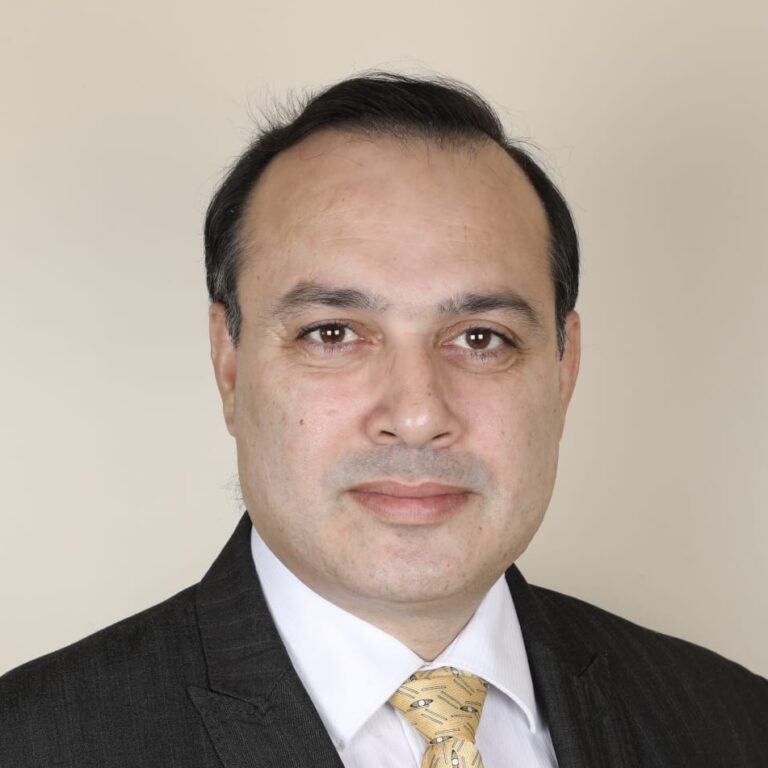 Mr. Deepak Jaggi
Deepak has over 30 years of experience in building retail businesses in financial services that has included his stint in Private Banking, Life Insurance, PMS and Mutual Funds. Worked in organizations like Kotak Securities, Zurich Mutual Fund, HDFC Life Insurance and Deutsche Mutual Fund. His last assignment was with PGIM Mutual Fund as an Executive Director and Head of Retail Sales pan India. He has also authored articles on Wealth Management, Wealth Preservation and need for Estate Planning for investors. Deepak is MBA in Finance & Marketing and holds Bachelor's degree in Computer Science from Pune University.
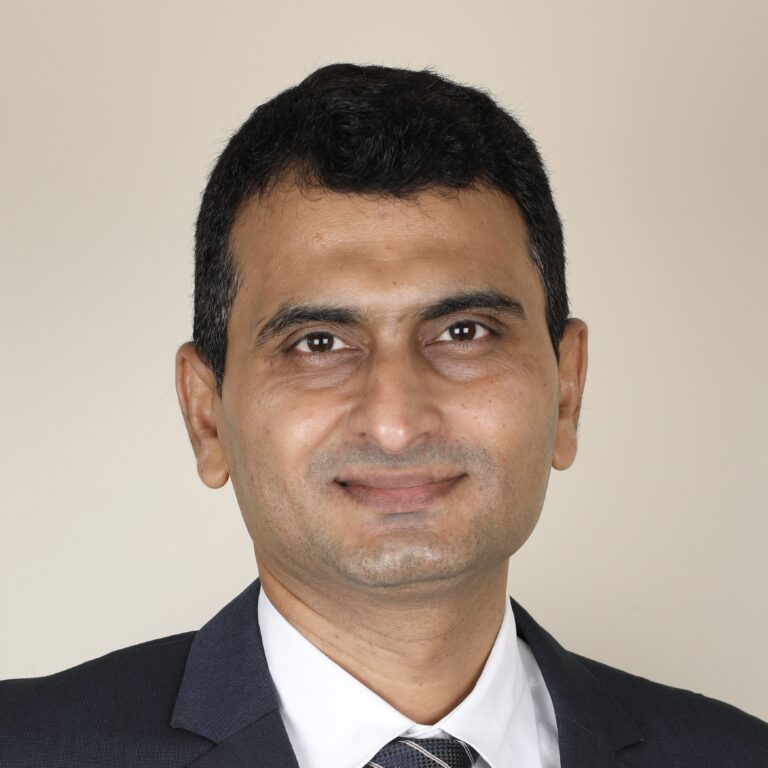 Mr. Sanjib Parhi
Sanjib has over 30 years of experience, building retail distribution in insurance, financial services, institutional sales and managing wealth for HNIs. Worked in various organisations like HDFC Life, Financial Technologies, Motorola (Page Point), Ion Exchange and Timeshare industry. His last assignment was with HDFC Life as an Associate Vice President where he worked for 15 years in managing retail agency distribution. Sanjib has done his management (DMM) from NMIMS Mumbai University.


Build wealth one disciplined step at a time. We help you choose from schemes across leading AMCs, set up SIPs that match your goals, and keep your portfolio on track with regular reviews.
Check or complete your KYC using your PAN
Aadhaar (masked) and bank proof
Sign your forms digitally with an OTP
Invest through the app or your RM
A mutual fund pools money from many investors and invests it in shares, bonds or money-market instruments according to a stated objective. You own units of the scheme, and their value (the NAV) moves with the underlying portfolio. Every scheme is regulated by SEBI and managed by an Asset Management Company (AMC).
Investing ₹10,000 every month and staying invested lets compounding do the heavy lifting. Total invested after 20 years: ₹24 lakh.
Illustration at an assumed 12% annual return. Mutual fund returns are market-linked and not guaranteed.
Invest mainly in company shares for long-term growth. Best suited to goals five or more years away.
Invest in bonds, treasury bills and money-market instruments, aiming for steadier returns over shorter horizons.
Blend equity and debt in one scheme to balance growth and stability.
Track a market index at low cost. ETFs trade on the exchange and need a demat account.
Equity funds with a 3-year lock-in that qualify for deduction under Section 80C in the old tax regime.
Retirement and children's funds with a lock-in, built around a specific life goal.
Invest a fixed amount every month; each instalment buys units at that day's NAV.
Invest a one-time amount, such as a bonus or maturity proceeds.
Move money gradually from one scheme to another, for example from a liquid fund into equity.
Withdraw a fixed amount at regular intervals for a steady cash flow in retirement.
Keep these handy for a smooth start. We never ask for your full Aadhaar number; a masked copy is enough.
Talk to your relationship manager or start online in minutes.
Mutual Fund investments are subject to market risks, read all scheme related documents carefully. Past performance may or may not be sustained in future.


