
Download SATCO App
Track your portfolio on the go
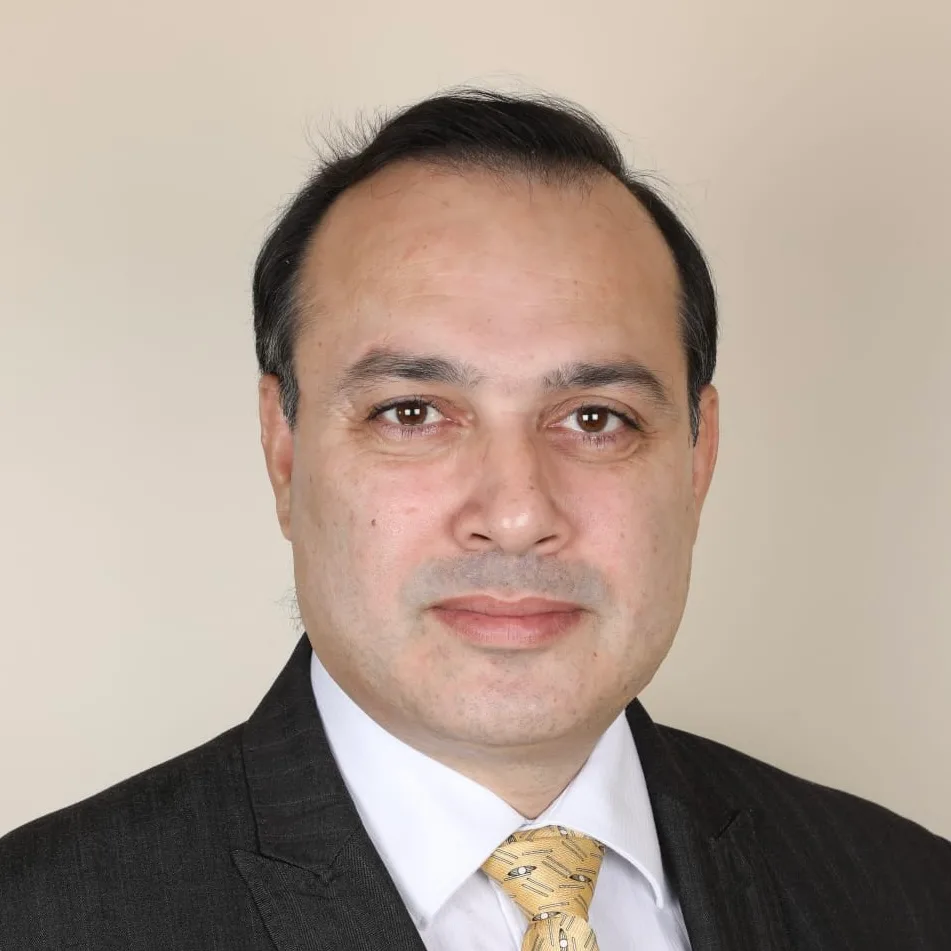 Mr. Deepak Jaggi
Deepak has over 30 years of experience in building retail businesses in financial services that has included his stint in Private Banking, Life Insurance, PMS and Mutual Funds. Worked in organizations like Kotak Securities, Zurich Mutual Fund, HDFC Life Insurance and Deutsche Mutual Fund. His last assignment was with PGIM Mutual Fund as an Executive Director and Head of Retail Sales pan India. He has also authored articles on Wealth Management, Wealth Preservation and need for Estate Planning for investors. Deepak is MBA in Finance & Marketing and holds Bachelor's degree in Computer Science from Pune University.
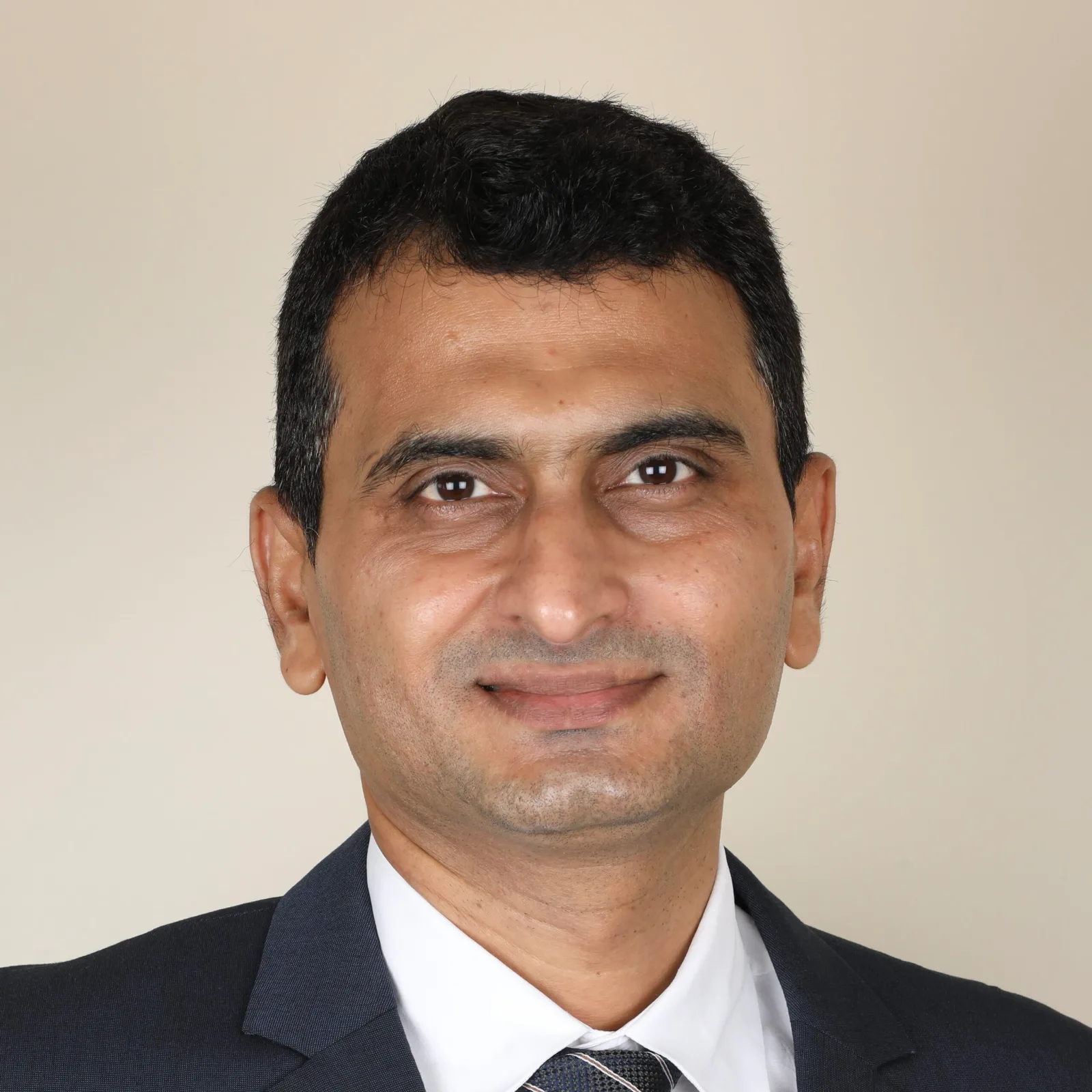 Mr. Sanjib Parhi
Sanjib has over 30 years of experience, building retail distribution in insurance, financial services, institutional sales and managing wealth for HNIs. Worked in various organisations like HDFC Life, Financial Technologies, Motorola (Page Point), Ion Exchange and Timeshare industry. His last assignment was with HDFC Life as an Associate Vice President where he worked for 15 years in managing retail agency distribution. Sanjib has done his management (DMM) from NMIMS Mumbai University.
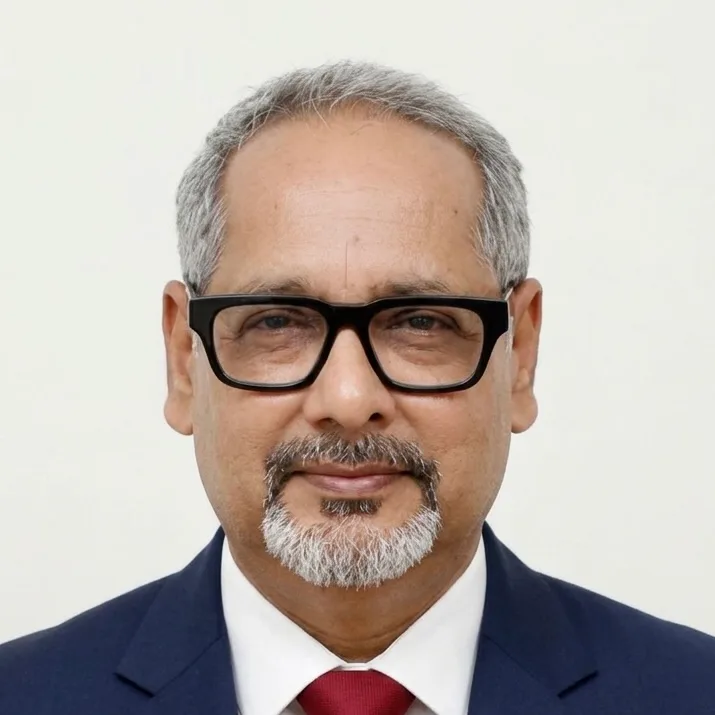 Mr. Jayasimha AS
At SATCO WEALTH, Mr. Jayasimha brings over 37 years of deep expertise in the finance industry, significantly strengthening the firm’s advisory and corporate governance framework. His strategic insight and leadership add immense value to the company’s long-term vision and client-focused approach.
He is also the Co-founder and Director of Capvirgo Insurance Broking & Services Pvt. Ltd., and Co-founder of the investment distribution firm Green Arrow Fortunes. His career includes senior roles in both public and private sectors, notably with LIC and as a founding member of HDFC Life, where he played a vital role in building one of India’s leading private life insurers.
During his time at HDFC Life, he led major transformational projects alongside firms like McKinsey, BCG, Deloitte, and TCS. A keen market observer and avid reader, Mr. Jayasimha blends operational experience with strategic vision, offering a unique perspective on investments from both the inside out and outside in.
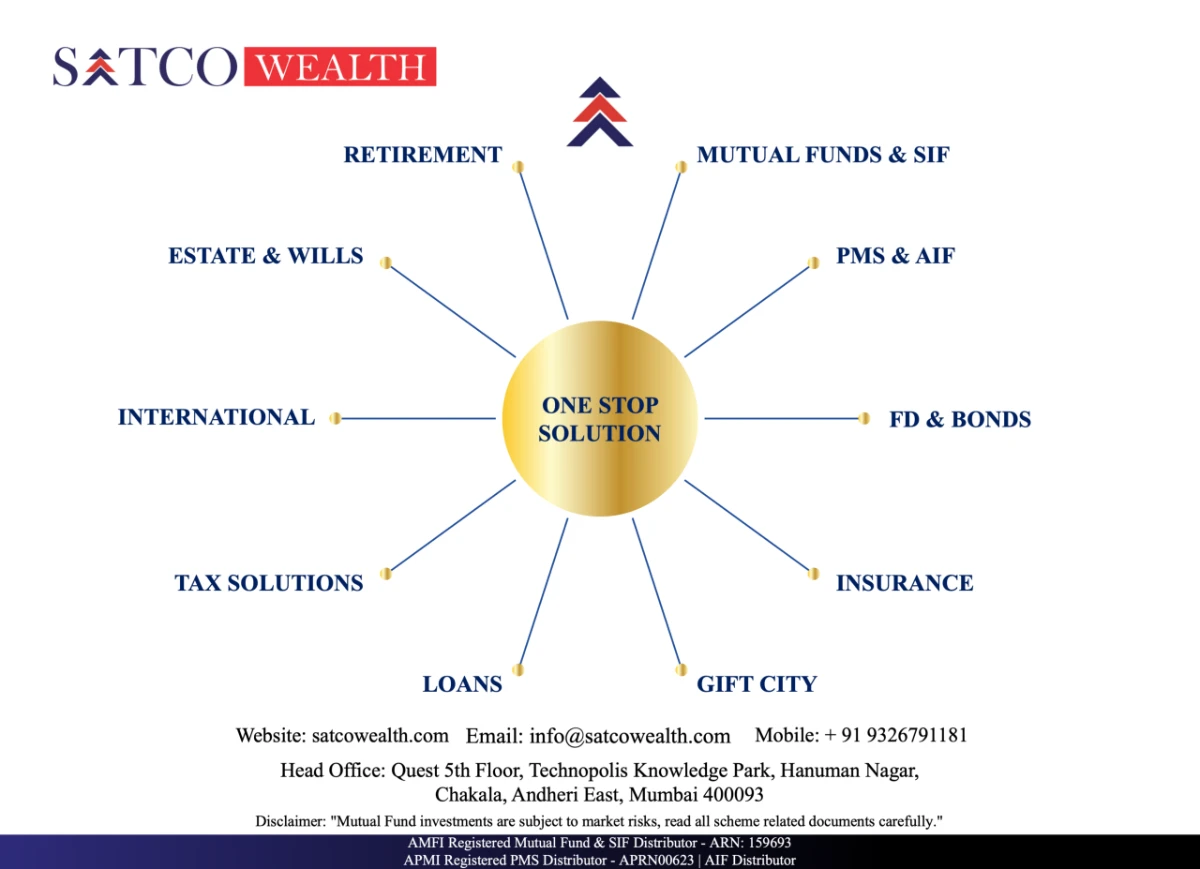 Download Corporate Profile

Lock in a fixed rate of interest for a chosen period. Compare bank and highly rated corporate fixed deposits, and choose payouts that suit you, from monthly income to cumulative growth.
Check or complete your KYC using your PAN
Aadhaar (masked) and bank proof
Sign your forms digitally with an OTP
Invest through the app or your RM
A corporate fixed deposit works like a bank FD, but you place the money with a company or NBFC instead of a bank. The issuer pays a fixed rate, usually higher than bank FDs, for the agreed tenure. Because the deposit is not with a bank, the issuer's credit rating is the most important thing to check.
| Bank FD | Corporate FD | |
|---|---|---|
| Issuer | Scheduled banks | Companies and NBFCs |
| Typical interest | Lower | Higher, depending on rating |
| Deposit insurance | Up to ₹5 lakh per bank (DICGC) | Not covered |
| Key check | Bank's financial health | Credit rating (e.g. AAA, AA+) |
Interest is compounded and paid with the principal at maturity, for long-term growth.
Interest is paid monthly, quarterly, half-yearly or yearly for regular income.
Keep these handy for a smooth start. We never ask for your full Aadhaar number; a masked copy is enough.
Talk to your relationship manager or start online in minutes.
Corporate fixed deposits are not insured by DICGC and are subject to the credit risk of the issuer. Read the application form and terms before investing.