
Download SATCO App
Track your portfolio on the go
 Bank Grade Security & Encryption
 Dedicated RM Support
 Industry Connect & Networking
 Regular Portfolio Monitoring
The people behind Satco Wealth.
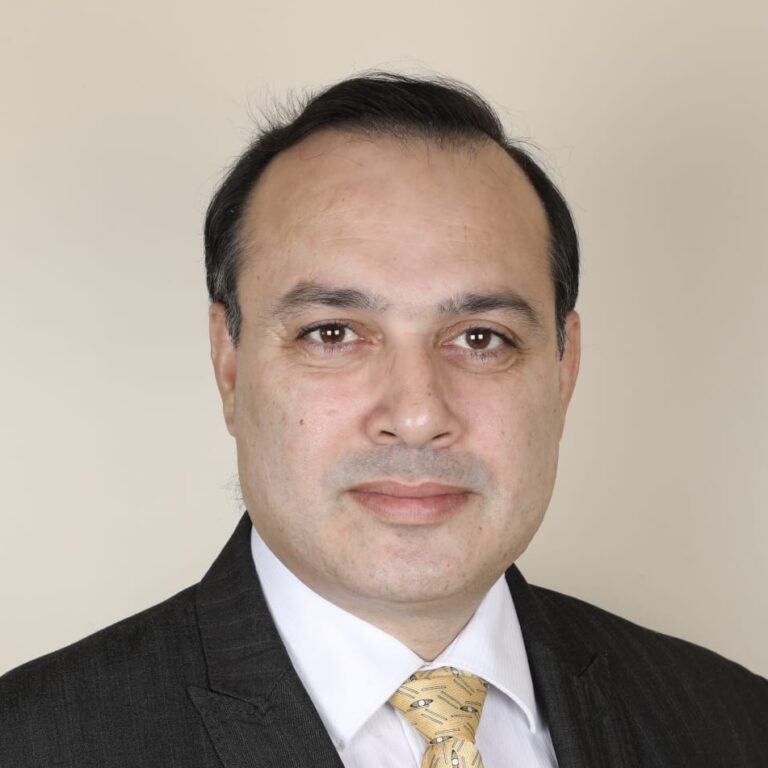 Mr. Deepak Jaggi
Deepak has over 30 years of experience in building retail businesses in financial services that has included his stint in Private Banking, Life Insurance, PMS and Mutual Funds. Worked in organizations like Kotak Securities, Zurich Mutual Fund, HDFC Life Insurance and Deutsche Mutual Fund. His last assignment was with PGIM Mutual Fund as an Executive Director and Head of Retail Sales pan India. He has also authored articles on Wealth Management, Wealth Preservation and need for Estate Planning for investors. Deepak is MBA in Finance & Marketing and holds Bachelor's degree in Computer Science from Pune University.
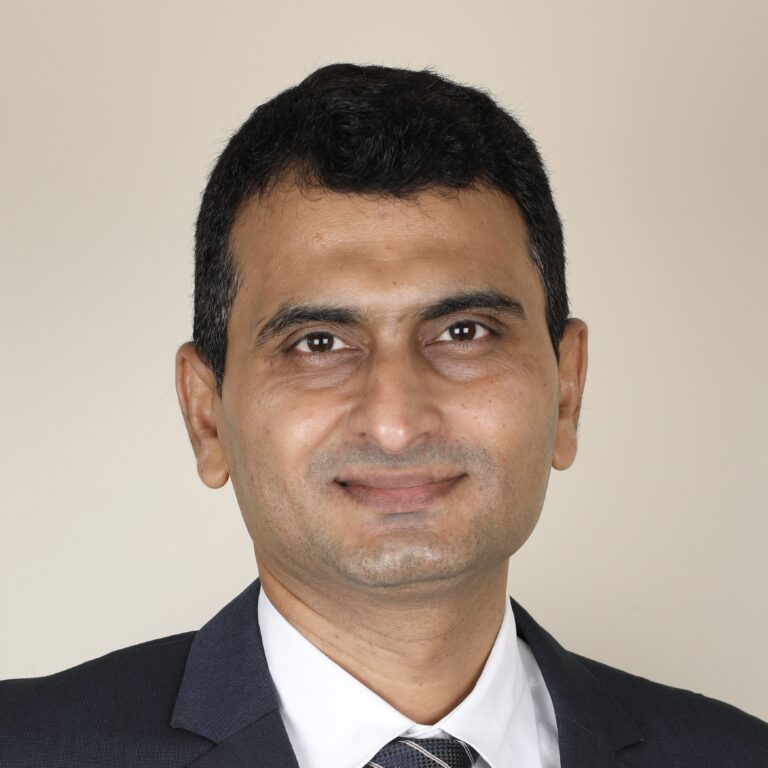 Mr. Sanjib Parhi
Sanjib has over 30 years of experience, building retail distribution in insurance, financial services, institutional sales and managing wealth for HNIs. Worked in various organisations like HDFC Life, Financial Technologies, Motorola (Page Point), Ion Exchange and Timeshare industry. His last assignment was with HDFC Life as an Associate Vice President where he worked for 15 years in managing retail agency distribution. Sanjib has done his management (DMM) from NMIMS Mumbai University.


Access private equity, venture capital, private credit, real estate and long-short strategies through SEBI-registered Alternative Investment Funds, built for sophisticated investors with a longer horizon.
Check or complete your KYC using your PAN
Aadhaar (masked) and bank proof
Sign your forms digitally with an OTP
Invest through the app or your RM
An Alternative Investment Fund pools money from sophisticated investors and invests it according to a defined strategy, often in assets that ordinary mutual funds cannot hold, such as unlisted companies, private credit or real estate projects. AIFs are set up as trusts, companies or LLPs and registered with SEBI. The minimum commitment is ₹1 crore per investor.
Start-ups, early-stage ventures, SMEs, social ventures and infrastructure, including venture capital and angel funds.
Private equity, private credit and real estate funds that do not borrow except for day-to-day needs. The most common category.
Funds using complex trading strategies, including long-short and derivatives, often with shorter horizons.
Keep these handy for a smooth start. We never ask for your full Aadhaar number; a masked copy is enough.
Talk to your relationship manager or start online in minutes.
AIF investments carry high risk and limited liquidity. Read the Private Placement Memorandum carefully. Satco Wealth acts as an AIF distributor and does not manage any fund.


